Where It Started
When I was in fellowship at New York Eye and Ear Infirmary of Mount Sinai back in 2012, I kept a fat grafting text within arm’s reach. Whenever my mentor, David, told me we had fat transfer cases on the schedule, I’d pull it out the evening before surgery and reread the relevant chapters.
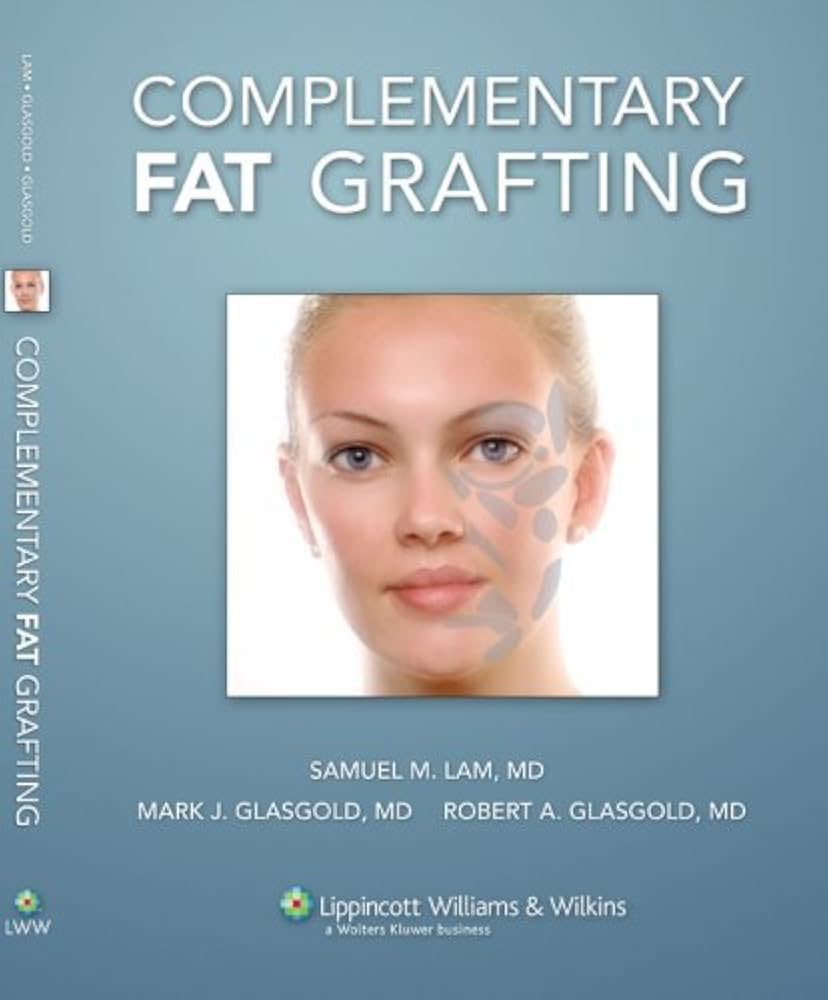
I once brought it to brunch with my girlfriend Jenn and enthusiastically showed her what I thought were the most impressive before-and-afters. She paused and said, “That’s cool… but do you want to order some eggs now?”
I was hooked. Fat grafting encapsulated why I wanted to become an oculofacial plastic surgeon. It blended artistry and technique and, even then, pointed toward where aesthetics was heading: regenerative.
But that was over a decade ago. And as much as that foundational training shaped me, I believe it’s important as a surgeon to evolve and to revisit what you think you know and ask how it can be refined.
Why Revisit Fat Transfer Now?
Over the past year, I’ve been on a deliberate journey to re-explore fat transfer — meeting the science where it stands today and reimagining how it fits into modern aesthetic practice, both broadly and here at Brooklyn Face & Eye in New York City.
That journey took me to three cities: San Diego, Seoul, and London.
San Diego: Technique & Evidence
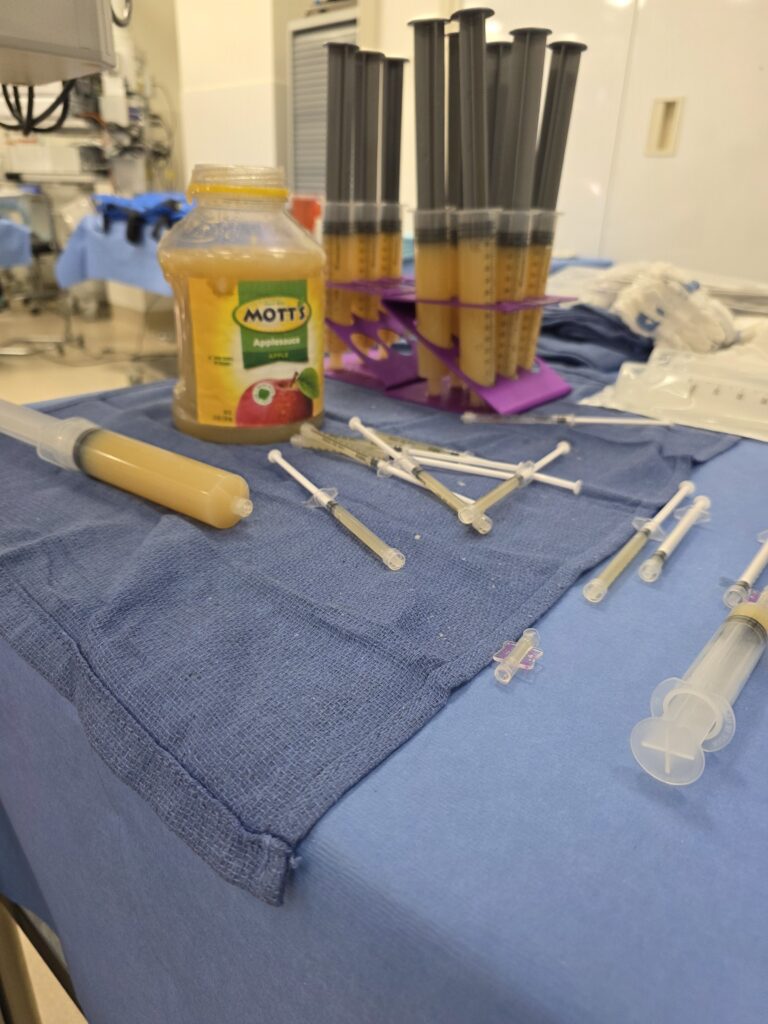
Last summer, I attended a fat grafting session at UCSD in San Diego which was a combination of conference lectures and a cadaver surgical workshop. Yes, we practiced by injecting applesauce. And yes, it was fun.
But jokes aside, this meeting truly delivered. The focus was technique refinement and scientific innovation. I crave detail and evidence, and always want to deeply understand the mechanics of why something works. The surgeons’ teachings struck the perfect sweet spot between clinical experience and evidence-backed research.
Seoul: Efficiency at Scale
After an epic K-beauty adventure in Seoul (which many of you may have followed), I was curious to observe how high-volume practices approach fat transfer. Surprisingly, it wasn’t my favorite stop, but it was instructive. The emphasis was on streamlining and efficiency, with systems that allow for reproducibility and control.
The takeaway for me wasn’t to replicate volume as Brooklyn Face & Eye is intentionally boutique and individualized. But, it did push me to ask: how can the patient experience be more refined and more controlled?
London: The Patient Experience, Optimized
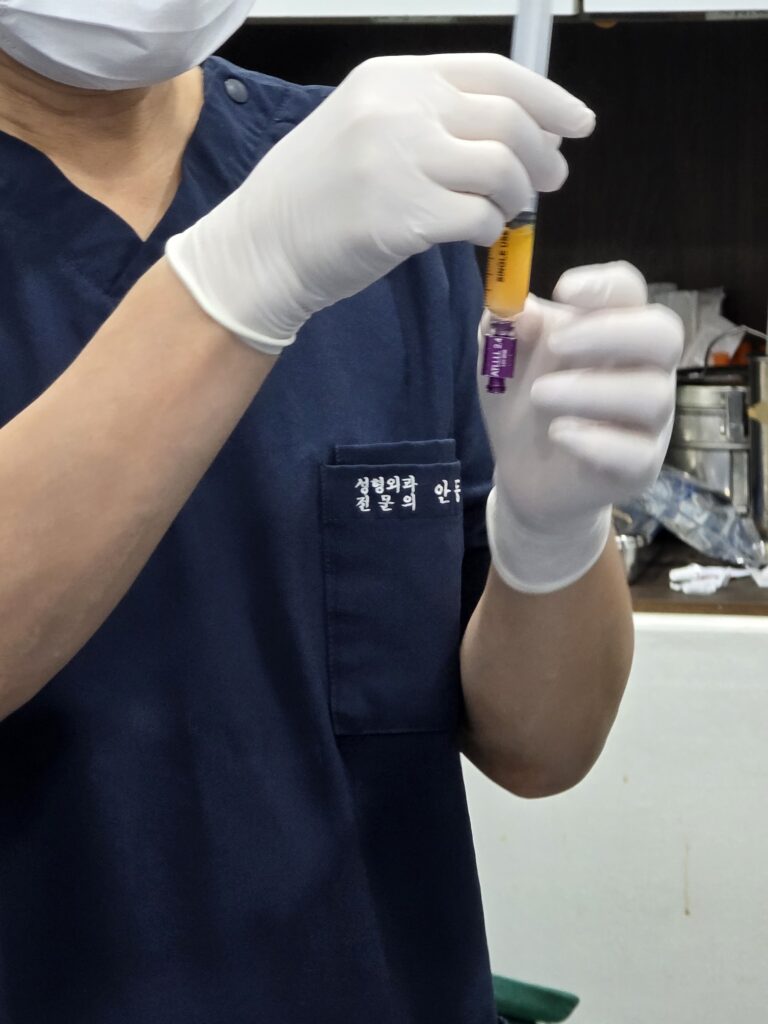
The final stop on my global fat transfer tour was a workshop in London with a much smaller group and a collegial instructor. This felt like my ideal fat-grafting geek playdate.
The focus was taking excellent technical ability and translating it into an optimized in-office experience that prioritizes patient comfort without compromising integrity. That philosophy mirrors how we practice at Brooklyn Face & Eye, making those conversations feel like home.
Distilling it Down
When I returned home, the question became how do we integrate the lessons of quality, efficiency, and comfort in a way that reflects our philosophy?
During this exploration one thing became very clear: delivery matters.
A Precise Way To Deliver Nanofat
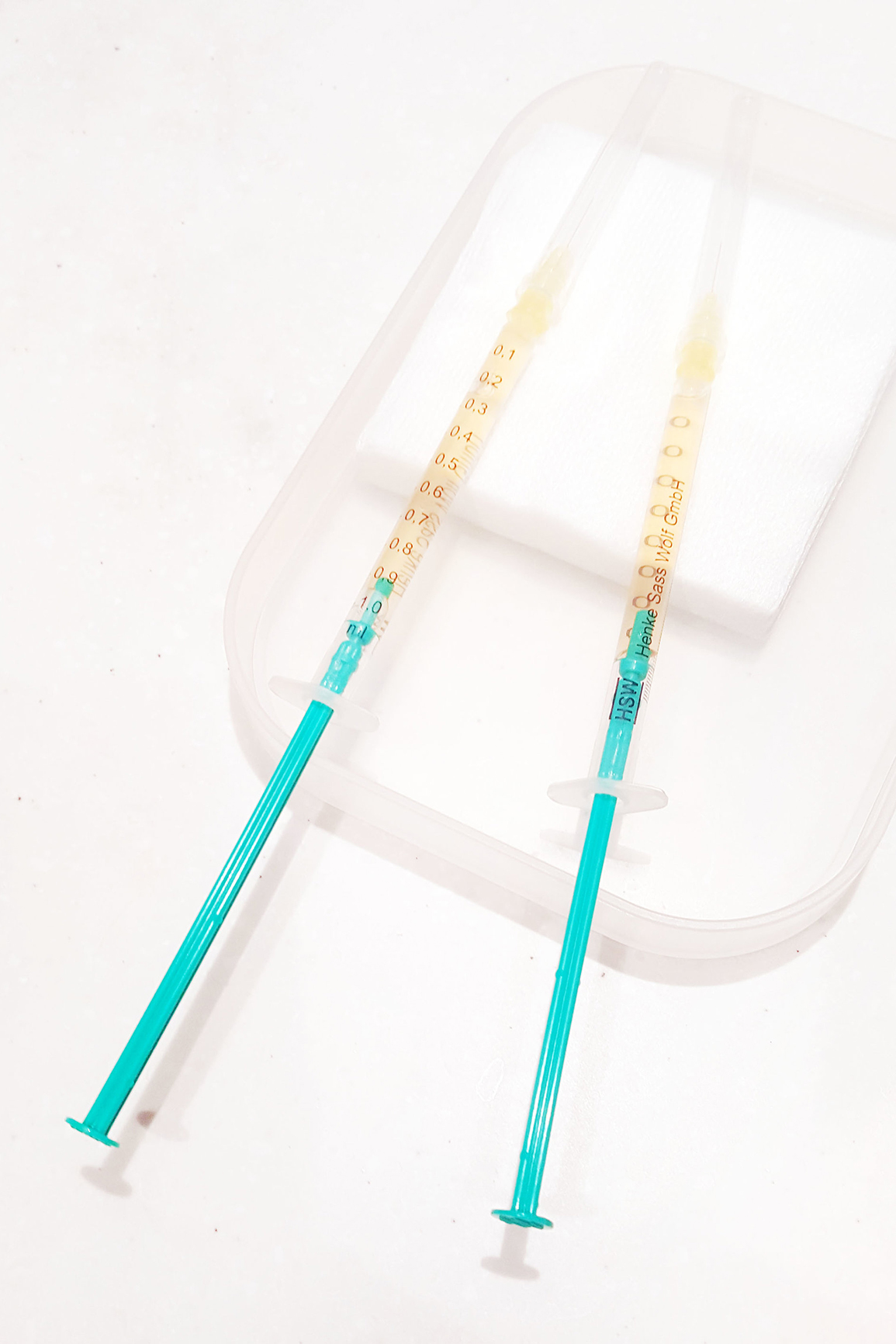
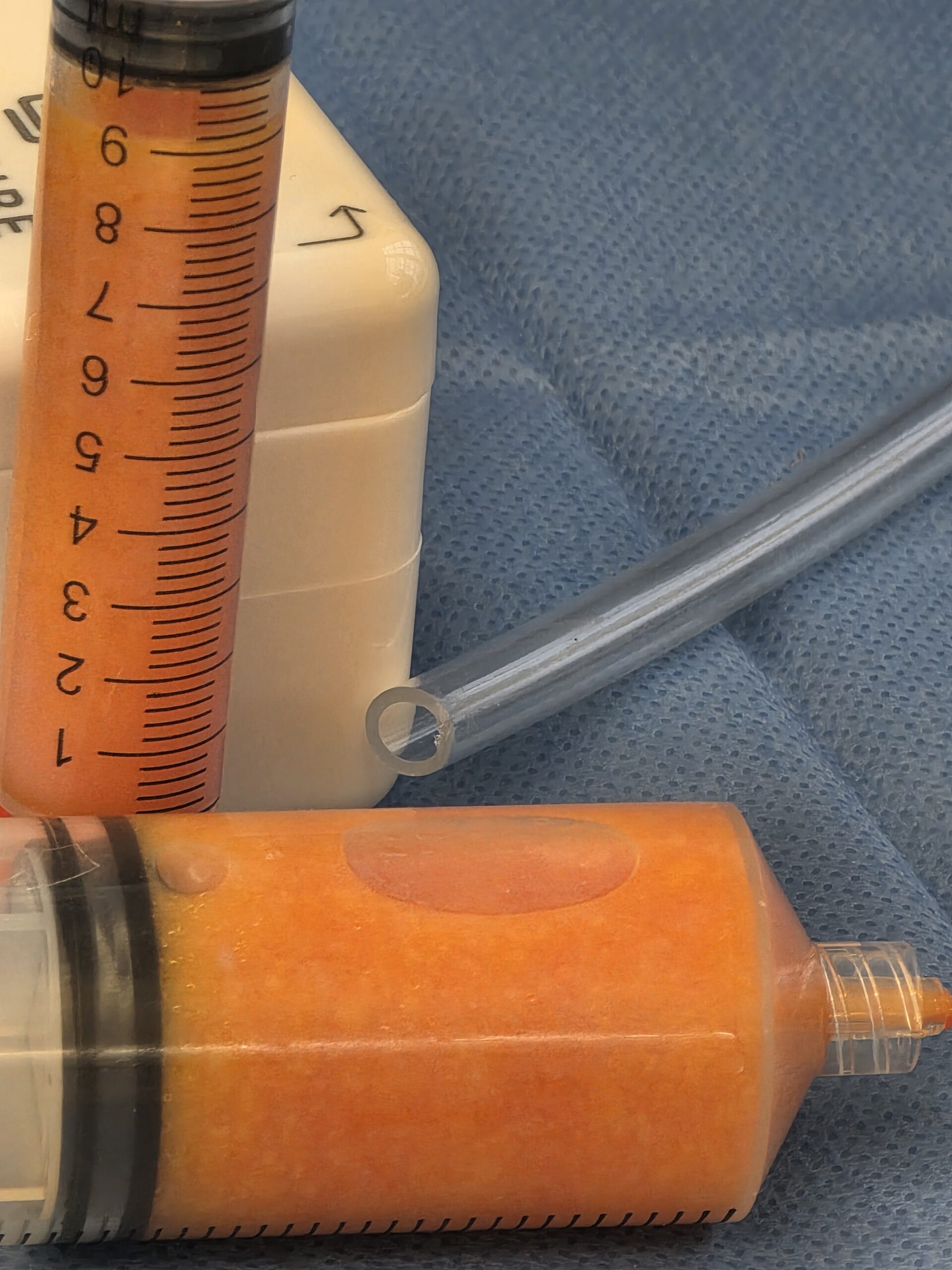
Nanofat is created by harvesting a small amount of your own fat – a form of autologous fat transfer – then refining and processing it into a fluid rich in regenerative cells, including adipose-derived stem cells, and growth factors. Unlike traditional facial fat grafting, which restores structural volume through fat transfer to the face, nanofat’s thinner fluid is used to improve overall skin quality. This regenerative approach helps stimulate collagen production and supports firmer, bouncier, more resilient skin with increased radiance and long-term skin health.
Traditional techniques deliver nanofat through injection or through microneedling. After this year of study, I knew I wanted something even more controlled to allow fat to work in its full glory — something that honored both the science and the experience.
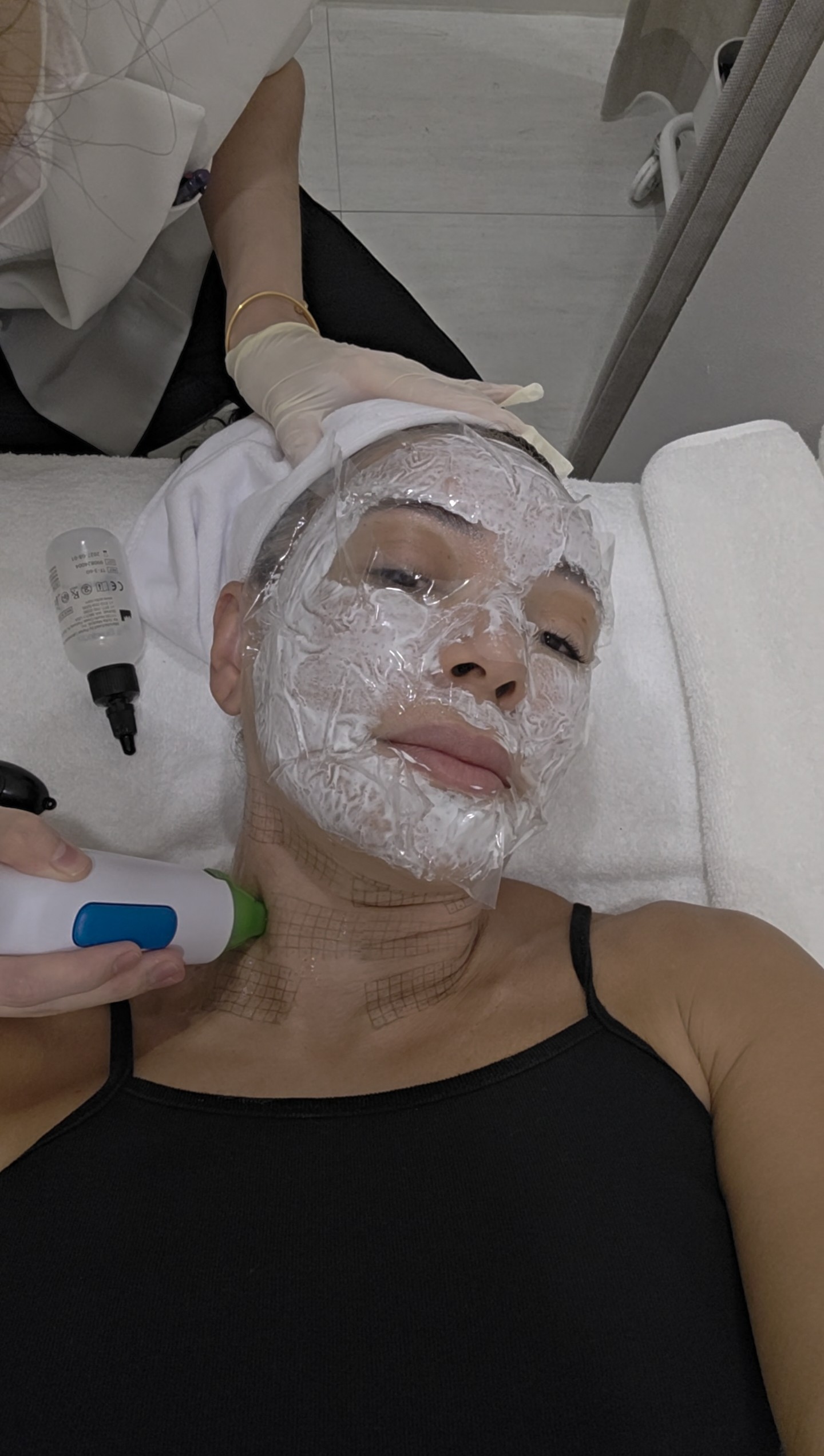
We’re introducing Nanofat Regen Needling, nanofat administered through a controlled, vacuum-assisted micro-delivery. With the ability to digitally control both depth and volume, this technology allows for precise, strategic delivery.
The Evolution of Regeneration at Brooklyn Face & Eye
The launch of Nanofat Regen Needling isn’t about adding another item to our treatment menu. It’s about returning to something foundational and bringing it forward with a decade of experience, global perspective, and refinement.
From fellowship training to applesauce workshops in San Diego, to observing efficiency in Seoul, to intimate surgical sessions in London — this has been a full-circle moment.
Regeneration has always been the throughline. We’re excited to continue building on it in this next expression.
See you soon,
Dr. Jeanniton